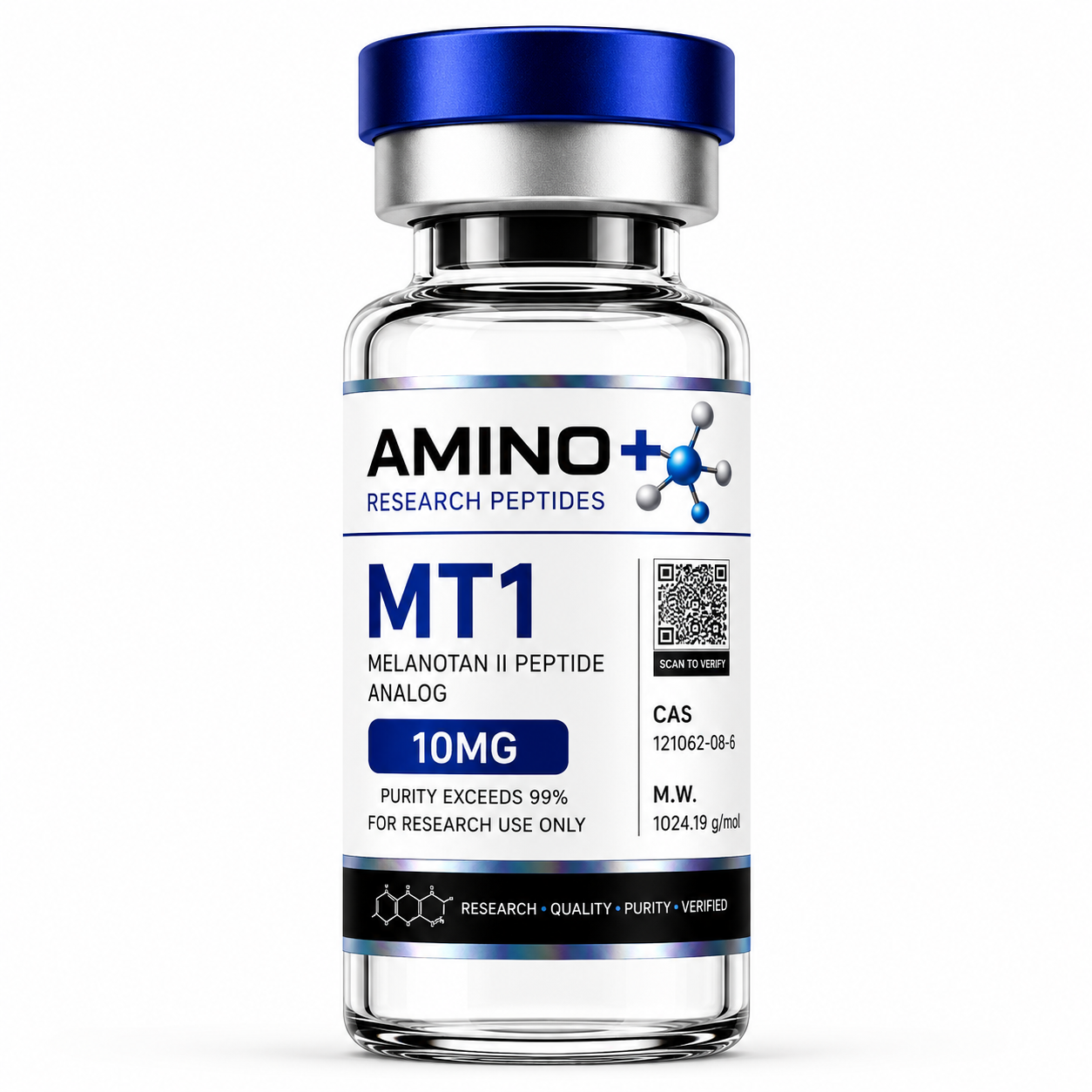
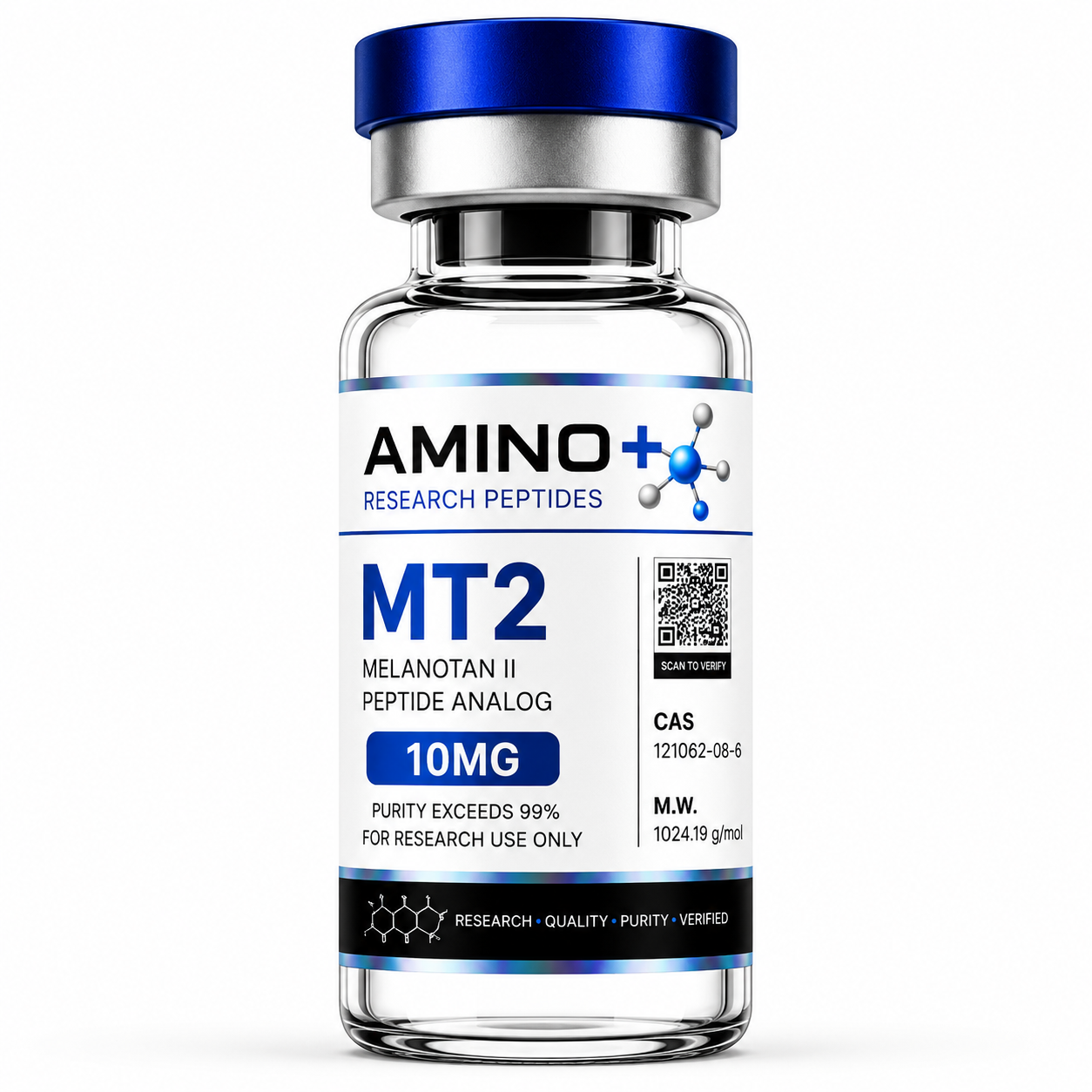
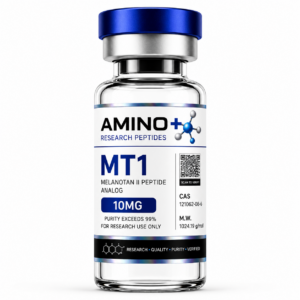
Melanotan is a synthetic peptide that mimics the activity of alpha-melanocyte-stimulating hormone (α-MSH), a naturally occurring hormone involved in regulating melanin production. Also known as Afamelanotide, Melanotan is widely studied for its ability to activate melanocortin receptors, promoting increased melanin synthesis and influencing skin pigmentation. Due to its selective receptor activity and longer duration of action, it has become an important compound in dermatological and pigmentation-related research.
Researchers investigate Melanotan for its potential role in studying photoprotection, melanin regulation, and cellular responses to ultraviolet (UV) radiation. By stimulating natural pigment production, it provides a valuable model for exploring mechanisms associated with skin pigmentation, oxidative stress, and protective responses to sun exposure. MelanotaN has also been examined in research involving photosensitivity disorders, including erythropoietic protoporphyria (EPP), where enhanced melanin production may contribute to improved tolerance to sunlight.
Because of its stability and prolonged biological activity compared to other melanocortin peptides, Melanotan continues to be utilized in laboratory studies focused on melanocyte biology, pigment regulation, and melanocortin receptor signaling.
For research use only. Not intended for human consumption or therapeutic use.
Reviews
There are no reviews yet.